The Darkest Hour in English Football
1964 British Betting Scandal
A lack of wealth among players, even in the First Division, created fertile ground for corruption.
In the early 1960s, English football was at a crossroads, both culturally and economically. The game was deeply embedded in British life, with packed terraces every weekend and football pools, an early form of mass gambling, capturing the imagination of millions.
Risk vs Reward
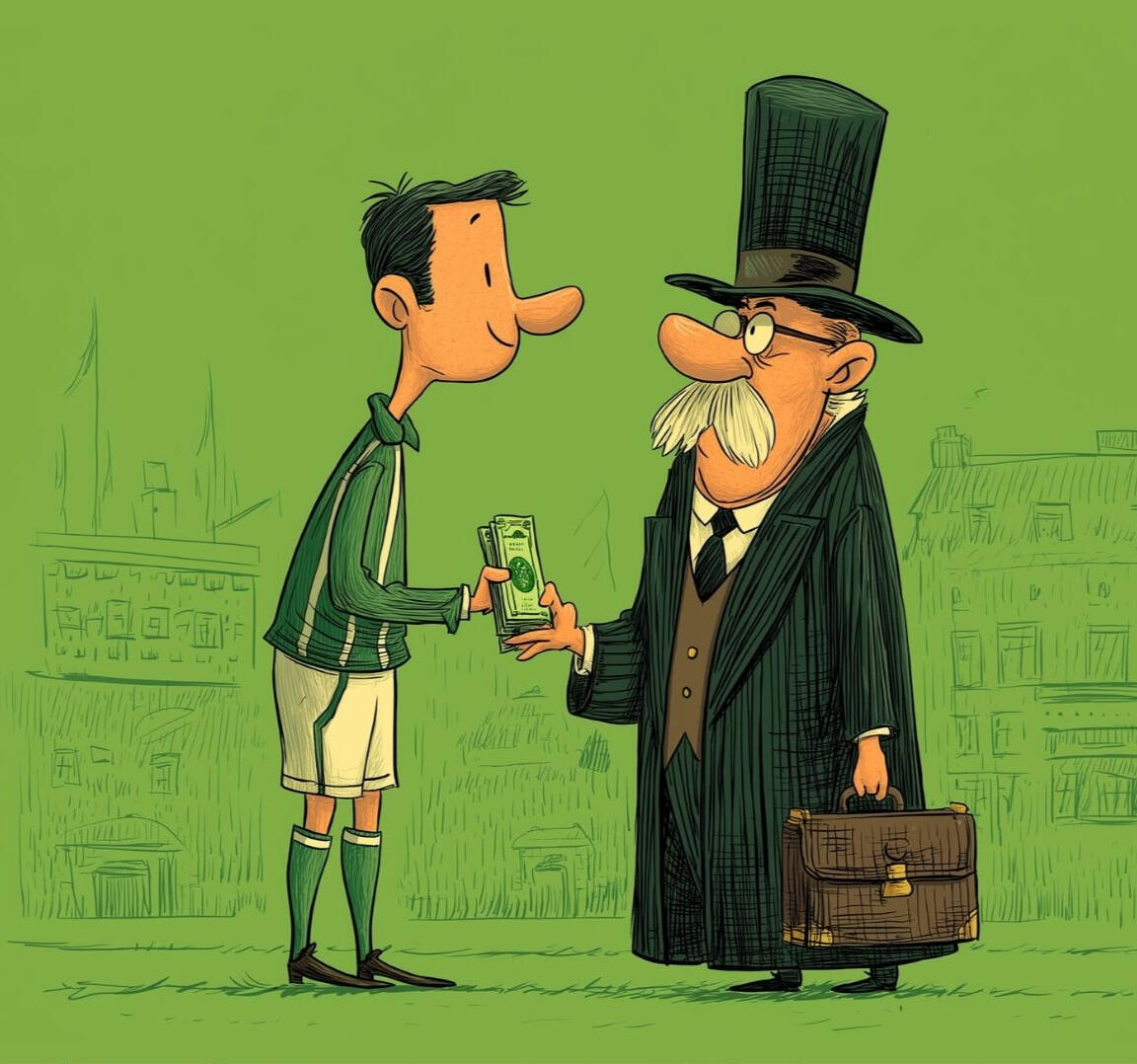
Yet, despite football’s popularity, the financial rewards for players were modest by modern standards. For example, in 1960, top Liverpool players earned just £23 per week, only slightly above the national average for manual workers, and a world away from the astronomical salaries seen today.This relative lack of wealth among players, even in the First Division, created fertile ground for corruption, especially as the temptations of gambling grew.The relationship between football and betting was evolving rapidly. While illegal betting on football had existed in the shadows for decades, it wasn’t until the Betting and Gaming Act of 1960 that betting shops became legal on the high street, making it easier and more socially acceptable to place wagers on football matches.
Match-Fixing Scandals
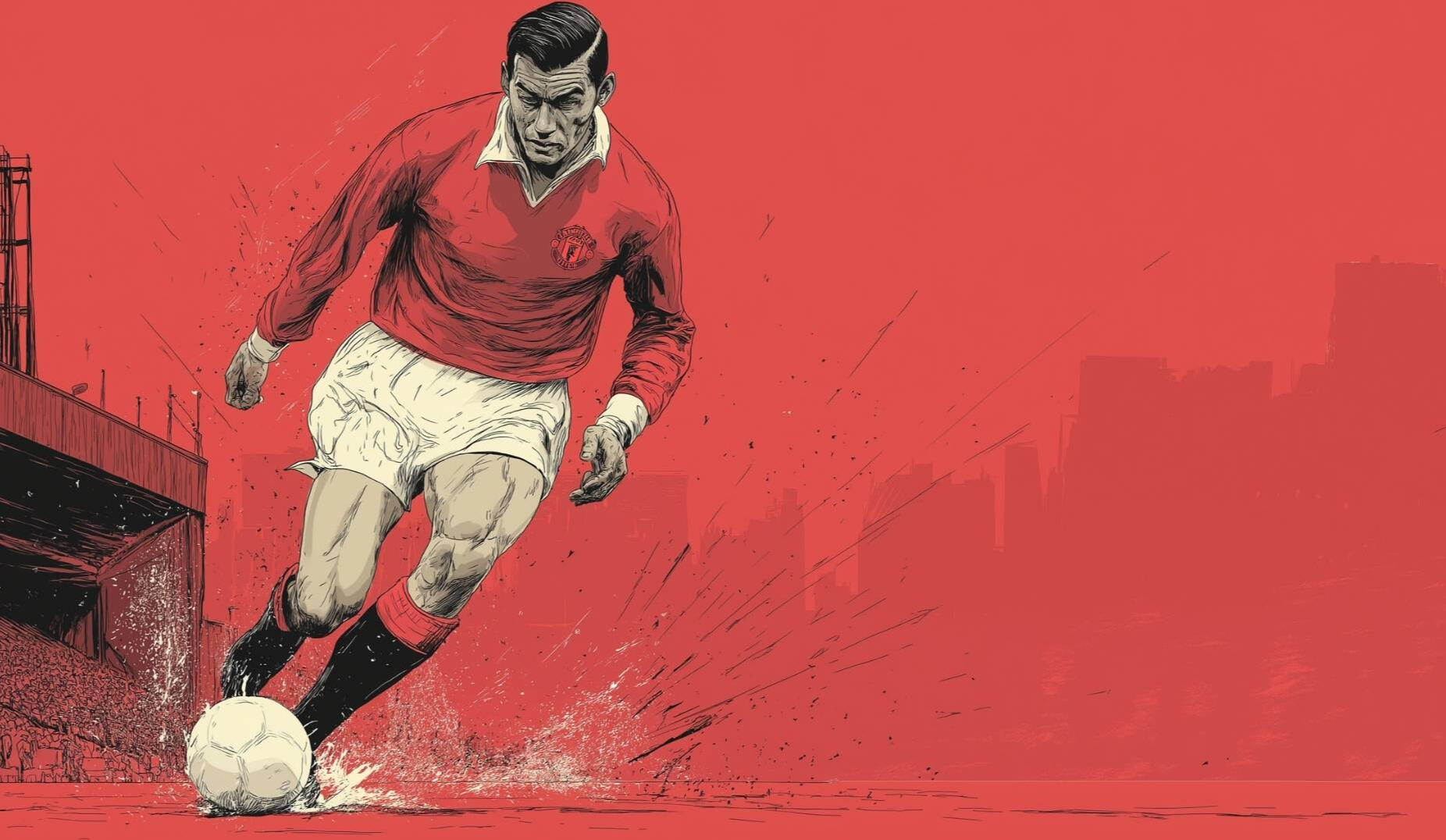
Football pools, which had been around since the 1920s, were already a national institution, but the legalisation of betting brought new money and new risks into the game.Bookmakers and punters alike began to see football as fertile ground for profit, and the possibility of manipulating results for financial gain became a genuine threat.Within this context, match-fixing scandals were not entirely unexpected. The Football League’s leadership had long feared that betting could corrupt the game, worrying that players might be tempted to influence results for personal gain.These fears were not unfounded. The relatively low pay, combined with the growing accessibility of gambling, meant that some players saw an opportunity to supplement their income through illicit means.At the heart of the scandal was Jimmy Gauld, a former professional footballer who masterminded a betting syndicate, systematically recruiting players to manipulate match results for financial gain.
How The Scheme Worked
His approach was methodical: he targeted matches where outcomes could be influenced, then bribed players to ensure those results.Among the most prominent figures to fall under his sway were Sheffield Wednesday stars Peter Swan, David “Bronco” Layne, and Tony Kay, two of whom were England internationals with World Cup prospects.Other players from clubs like Mansfield Town, Bristol Rovers, and Hartlepool United were also implicated.The mechanics of the scheme were simple but effective. Gauld and his associates identified matches that could be fixed, such as the December 1962 Sheffield Wednesday vs. Ipswich Town fixture and the April 1963 Bradford Park Avenue vs. Bristol Rovers match.Players were paid discreetly to ensure the outcome matched bets placed on fixed-odds markets, allowing the syndicate to profit handsomely.The operation relied on secrecy and mutual trust, with bribes delivered in cash and details discussed in private. For a time, the syndicate thrived, undetected by football authorities or the public.
Exposing The Scandal
The Sunday People newspaper was instrumental in exposing the 1964 British betting scandal, transforming vague suspicions into a full-blown national controversy.For months, reporters Peter Campling and Mike Gabbert pursued rumors of match-fixing, refusing to publish anything until they had incontrovertible evidence and the names of those involved.Their first breakthrough came in 1963 when they revealed that two Bristol Rovers players, Esmond Million and Keith Williams, had taken bribes to throw a match against Bradford Park Avenue.Both were fined and banned for life, as was Brian Phillips of Mansfield Town, who had made the initial approach. Shortly after, Ken Thomson of Hartlepool United confessed in the Sunday People to betting on his own team to lose, leading to his own lifetime ban.The real turning point came when Jimmy Gauld, the ringleader, decided to sell his story to the Sunday People for £7,000, a sum worth nearly £180,000 today.Facing exposure and seeking a final payday, Gauld provided taped confessions that detailed the full extent of the operation, including the involvement of Sheffield Wednesday stars Peter Swan, Tony Kay, and David Layne in fixing a match against Ipswich Town.The newspaper broke the story on 12 April 1964, and the following week named more players. Gauld’s tapes, a legal first in England, became crucial evidence at trial, ultimately convicting Gauld and many others.
Legal Proceedings
The legal proceedings following the 1964 British betting scandal were both groundbreaking and severe, marking a turning point in English football’s approach to corruption. The trial was held at Nottingham Assizes in early 1965 and was notable for being the first time taped evidence was admitted in an English court.These tapes, recorded by ringleader Jimmy Gauld as he sought to implicate his co-conspirators for a final payday, proved pivotal to the court proceedings. The judge made clear that Gauld, described as the “central figure” and the “spider in the centre of the web,” bore the greatest responsibility for corrupting others and undermining the integrity of the sport.At the conclusion of the trial on January 26, 1965, Gauld received the heaviest sentence: four years in prison. Other sentences varied according to the degree of involvement.Brian Phillips of Mansfield Town and Jack Fountain of York City were each sentenced to fifteen months, while Dick Beattie of St. Mirren received nine months. Sammy Chapman (Mansfield Town), Ron Howells (Walsall), and Ken Thomson (Hartlepool United) each received a six-month sentence. The Sheffield Wednesday trio of David Layne, Tony Kay, and Peter Swan were sentenced to four months each.Upon release, Layne, Swan, Kay, Beattie, Fountain, Chapman, and Howells were banned for life from football, joining Gauld, Thomson, and Phillips, who had already been banned. In all, 33 players were prosecuted, with ten jailed and many more banned for life, sending a strong message about the consequences of match-fixing and the importance of integrity in football.

The Aftermath
The aftermath of the 1964 British betting scandal was immediate and devastating, affecting both the individuals involved and English football as a whole. The most visible consequence was the imposition of life bans on players found guilty of match-fixing.Their promising careers were abruptly ended; Swan, for example, had been tipped for England’s 1966 World Cup squad and never played top-flight football again. The impact on clubs was also significant as Sheffield Wednesday lost key players, damaging their competitive prospects and reputation, while Everton, who had recently signed Kay for a record fee, saw their investment vanish overnight.The public reaction was one of shock and disappointment, as the scandal shattered the trust between fans and the game they loved. The revelations forced the Football Association and league authorities to confront the vulnerabilities in their governance, prompting reforms aimed at tightening regulations around betting and player conduct.The scandal also changed attitudes toward gambling in sport, highlighting the need for vigilance and transparency to protect the integrity of competition.Financially, the case exposed the relatively modest sums involved compared to the scale of the damage. Jimmy Gauld, the ringleader, earned just £3,275 from betting on fixed matches but received £7,420 for selling his confession to the press, more than double his illicit gambling profits.The legacy of the 1964 British betting scandal endures as one of the most significant cautionary tales in football history. Its impact has been preserved not only in the memories of fans and the records of the Football Association, but also in popular culture.The scandal was dramatized in the 1997 BBC film The Fix, directed by Paul Greengrass, which brought the story to a new generation and highlighted the personal and professional costs for those involved.The film focused on the central roles played by Sheffield Wednesday stars Peter Swan, Tony Kay, and David Layne, whose careers were destroyed by their involvement, and on the investigative journalism that brought the conspiracy to light.Within football, the scandal remains a stark reminder of the dangers of unchecked betting and the vulnerabilities of underpaid players. Its exposure shocked the public, leading to widespread calls for reform and a more vigilant approach to integrity in sport.The Football Association responded by tightening regulations, increasing oversight, and imposing strict penalties for betting-related offenses, setting a precedent for how match-fixing would be handled in the decades to follow.The case also influenced international efforts to combat sports corruption, contributing to the development of legal frameworks and collaborative measures between sports organizations, law enforcement, and betting authorities.
…And The Players Now?
Most of the players at the center of the 1964 British betting scandal have since passed away, but a few lived well into the 21st century, and at least one, David “Bronco” Layne, is still alive as of the latest available reports. Here’s a look at what happened to some of the key figures after the scandal, and how their lives unfolded.Peter SwanSwan, once considered a near-certainty for England’s 1966 World Cup squad, was jailed for four months and banned for life from football.The ban was lifted in 1972, and he made a brief return to Sheffield Wednesday before playing for Bury and Matlock Town, where he later became manager.Swan spent much of his post-football life running a pub, selling cars, and working various jobs to support his family. He died in January 2021 at the age of 84.Tony KayKay, also an England international, never played professional football again after his life ban, though it was lifted in 1973. He spent 12 years in Spain, partly to avoid arrest for selling a counterfeit diamond, and later worked as a groundsman in southeast London.In his later years, he reflected openly on the scandal, expressing regret but also a sense of having been made an example. Kay is active on X, tweeting regularly about his beloved Everton and his time at the club, and is reportedly at peace with his past despite the lingering sense of injustice.David “Bronco” LayneLayne, a prolific striker for Sheffield Wednesday, was also jailed and banned for life, but his ban was lifted in 1972.He attempted a return to football but never regained his former status, playing briefly for Hereford United and Matlock Town before retiring due to injury. As of the latest available information, Layne is still alive, having been born in 1939.Jimmy GauldThe ringleader, Gauld, served four years in prison. After his release, he lived in Ireland and later London, working in modest jobs. He died in 2004 at the age of 74.The scandal ruined promising careers and left lasting scars. Swan, Kay, and Layne all lost their prime playing years and the chance to represent England at the highest level.Many struggled financially and emotionally, taking up ordinary jobs far removed from the fame of professional football. Some, like Kay, later found a measure of peace and even public sympathy as attitudes toward the scandal softened over time.
Integrity in Sport
The 1964 British betting scandal remains a powerful lesson in the enduring vulnerability of sport to corruption and the far-reaching consequences of compromised integrity. While the individuals involved paid a heavy personal price, their actions forced football authorities to confront uncomfortable truths and implement reforms that have shaped the modern game.The scandal’s legacy is a reminder that no sport is immune to the temptations of easy money or the pressures faced by players, especially when oversight is lacking. Yet, it also demonstrates the capacity for renewal, through transparency, vigilance, and a commitment to fair play.As match-fixing scandals continue to surface in football and beyond, the events of 1964 underscore the ongoing need for robust safeguards and a culture that values honesty above all else.Ultimately, the integrity of sport is its greatest asset, and protecting it remains a responsibility shared by everyone who loves the game.
© All rights reserved.